
Anaphylaxis law and policies by province and territory

In 2005, the Province of Ontario passed Sabrina’s Law. This landmark legislation — the first of its kind in the world — created specific, legally-required steps to help keep children at risk for anaphylaxis safe at school. Sabrina’s Law has made school safer for countless students with life-threatening allergies and has served, not only as a model for legislation in Canada, but around the world.
Since Sabrina’s Law was passed in Ontario, other provincial and territorial governments have enacted laws, policies, or guidelines for school boards in their jurisdictions.
- Law or Policy?
- Provincial or territorial laws provide a legal requirement for school boards. Guidelines or policies provide a roadmap for school boards, which they follow at their discretion.
Here is a look at the laws, guidelines, and policies by province and territory. Last updated: May 2021
Alberta
Schools
On January 1, 2020, the Protection of Students with Life-Threatening Allergies Act came into effect, with requirements for how schools can support students with life-threatening allergies at school. Such requirements include establishing policies and risk reduction plans. Information on the act and resources to support its implementation are available on the Alberta Education website.
British Columbia
Schools
In September 2007, the BC Ministry of Education signed into law the Anaphylaxis Protection Order, which requires all BC school districts to have anaphylaxis policies and procedures. These school policies for managing anaphylaxis must be developed in accordance with the Anaphylactic and Child Safety Framework (September 2007). Reference: www2.gov.bc.ca/gov/content/education-training/administration/kindergarten-to-grade-12/school-health/anaphylaxis.
Manitoba
Schools
In 2009, Bill 232 (The Public Schools Amendment Act – Anaphylaxis Policies) was passed to legally formalize a school board’s obligation to develop an anaphylaxis policy. The Bill also gives the Minister of Education and Training the discretionary authority to make regulations in this area. Reference: https://web2.gov.mb.ca/bills/39-2/b232e.php
Child Care Facilities
In 2010, Manitoba passed the Child Care Safety Charter – the first legislation of its kind in Canada – which mandates safety plans and codes of conduct in child care facilities. Reference: https://web2.gov.mb.ca/bills/39-2/b232e.php
New Brunswick
Schools
The New Brunswick Department of Education and Early Childhood Development’s Policy 704, a Health Support Services Policy, has a specific section for allergies and anaphylaxis: Section 6.6.1. A copy of the policy can be downloaded from the Government of New Brunswick. Reference: www.gnb.ca
Newfoundland and Labrador
Schools
In 2015, the Division of Student Support Services, Department of Education and Early Childhood Development released its Guidelines for Anaphylaxis Management in Schools which can be downloaded from their website. Reference: www.ed.gov.nl.ca/edu
Northwest Territories
Schools
A Ministerial Directive on Inclusive Schooling, 2006, legally directs all education boards to have written policies and procedures for the access, storage, and administration of medications to students. Additionally, the teacher resource kit Programming for Student Success, 2008, provides links to information on dealing with anaphylaxis in schools. Reference: www.ece.gov.nt.ca
Nova Scotia
Schools
The Nova Scotia Department of Education and Early Childhood Development Student Services developed Anaphylaxis: Education for a Life Threatening Allergic Reaction, for Nova Scotia schools. A provincial online student information system, which includes emergency health alerts on individual student records, is currently being implemented in all school boards, using Anaphylaxis Emergency Plans and other forms for students.
Nunavut
Schools
Nunavut has an anaphylaxis response protocol for schools in its Emergency Prevention, Preparedness and Crisis Response Manual developed by the Department of Education. Additional information is available on the Government of Nunavut website. Reference: www.gov.nu.ca
Ontario
Schools
In 2005, the Ontario government passed Sabrina’s Law: An Act to protect anaphylactic pupils, which affected all publicly funded schools in the province. The first legislation of its kind in Canada, this law requires that every school board establish and maintain an anaphylaxis policy. It also requires that principals develop individual anaphylaxis emergency plans for pupils at risk.
Sabrina’s Law is named for Sabrina Shannon, an inspirational teenager who tragically suffered a fatal anaphylactic reaction during her first year of high school in 2003.
Child Care Facilities
The Child Care and Early Years Act, 2014 (CCEYA) requires that all licensed child care operators in Ontario have an anaphylaxis policy in place in each child care centre operated by the licensee and each location where home child care (license) is provided within a regulated child care setting. For more information regarding the requirements, refer to Ontario Regulation 137/15. References: Regulation 137/15, Sabrina’s Law
Prince Edward Island
Schools
In 2011, The Minister of Education and Early Childhood Development issued an updated policy directive on Procedures for Dealing with Life-Threatening Allergies. It is included in the Information Handbook on Anaphylaxis, Fourth Edition. For more information and to download a copy, see the link below. Reference: www.gov.pe.ca.
Quebec
Schools and Child Care Facilities
Each school board and child care centre in Quebec develops and updates its own protocols. Most protocols are based on guidelines by the prehospital emergency services (Services préhospitaliers d’urgence). There is currently no legislation mandating anaphylaxis protocols in schools.
Saskatchewan
Schools
The Saskatchewan government released a policy statement on supporting K-12 students with potentially life-threatening medical conditions at school; this statement complements the previously issued policy advisory from the Saskatchewan School Boards Association. Effective May 2020, the policy statement requires school divisions and the Conseil des écoles fransaskoises to develop, update and implement procedures related to dealing with students who have medical conditions such as allergies, asthma, diabetes and epilepsy. Information on the policy statement is available on the government website.
Yukon
Schools
In 2005, the Yukon Department of Education issued its “Administration of Medication to Students” policy to support public school students with severe and life-threatening illnesses and allergies. The policy was revised in 2006 and 2013. Yukon Education also implemented an Anaphylaxis Policy in 2012 to clarify roles and responsibilities in managing emergencies in public schools. Reference: www.education.gov.yk.ca
Some information adapted from Anaphylaxis in Schools & Other Settings, 3rd edition revised
 Sabrina’s Law
Sabrina’s Law, enacted in 2005, has made school safer for countless students with life-threatening allergies and has served, not only as a model for legislation in Canada, but around the world.
 Asthma: Ryan’s Law
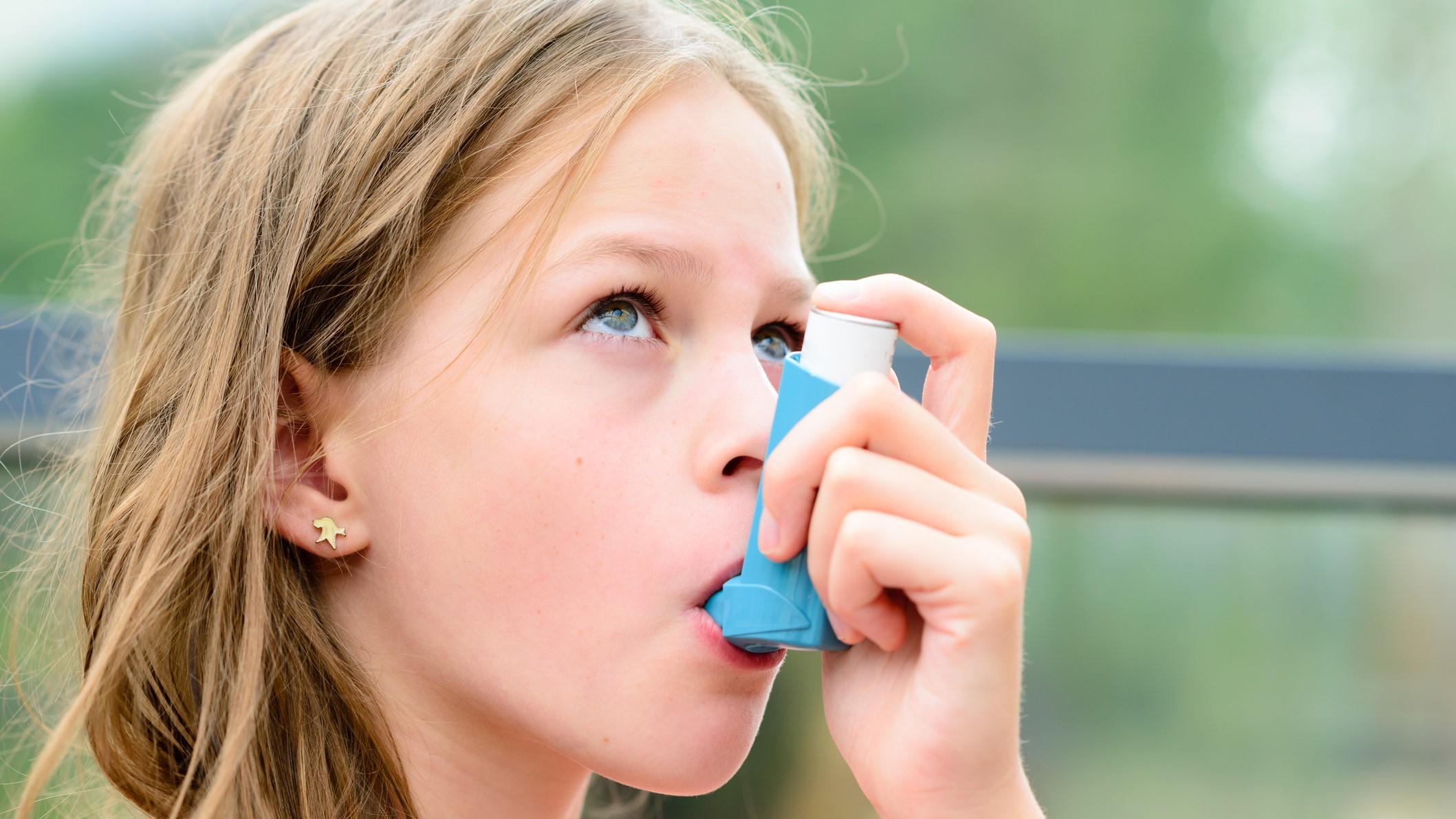
In 2015, the Government of Ontario passed Ryan’s Law, which gives all children with asthma the right to carry their own asthma emergency medications at school. Ontario is the first province in Canada to offer such legislation. Ryan’s Law is named for Ryan Gibbons who died on October 9, 2012, after suffering an asthma attack during recess.