

- Do not ignore early symptoms.
- Always take a possible reaction seriously and act quickly.
- Not every reaction will always look the same; a person can have different symptoms each time.
- Anaphylaxis can occur without skin symptoms or hives.
- A child may describe their symptoms differently than an adult: for example “my throat is tingly” or “my tongue feels scratchy”.
Check out these two videos!
An allergic reaction usually happens within minutes after being exposed to an allergen, but sometimes it can take place several hours after exposure.
Symptoms and severity of a reaction can differ each time. Keep in mind that an allergic reaction can start with mild symptoms that can get worse quickly.
Symptoms of anaphylaxis generally include two or more of the following body systems: skin, respiratory, gastrointestinal, cardiovascular.
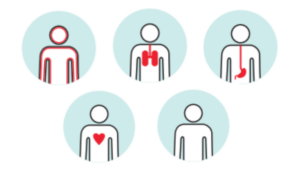
- Skin: hives, swelling (face, lips, tongue), itching, warmth, redness
- Respiratory (breathing): coughing, wheezing, shortness of breath, chest pain/tightness, throat tightness, hoarse voice, nasal congestion or hay fever-like symptoms (runny, itchy nose and watery eyes, sneezing), trouble swallowing, choking feeling
- Gastrointestinal (stomach): nausea, pain/cramps, vomiting, diarrhea
- Cardiovascular (heart): paler than normal skin colour/blue colour, weak pulse, passing out, dizziness or lightheadedness
- Other: anxiety, sense of doom (the feeling that something bad is about to happen), headache, uterine cramps, metallic taste
Breathing or heart symptoms alone can be anaphylaxis. Keep in mind that hives don’t always appear during anaphylactic reactions.
Symptoms in babies up to 2 years of age may be indicated by a noticeable change in the sound of their cry, drooling, spitting up of food or drink after feeding, and the uncontrolled passing of stool or urine. They may show behavioural changes such as irritability, unexpectedly become very sleepy or difficult to wake up, suddenly appear very frightened, upset emotionally, and/or want to be held or comforted.
- It is not possible to predict the severity of an allergic reaction.
- Don’t ignore early symptoms, even if they seem mild, especially if you have had a reaction in the past.
Tips for parents
Small children can have a hard time describing their symptoms. They may complain of a “funny feeling” in their mouth or throat. Or, they may say things like “my mouth feels funny” or “my tongue is itchy”.