Discover our efforts to advance allergen awareness in foodservice, participate in a global study on psychological support, learn about a new study on anaphylactic reaction severity and symptoms, get the latest updates on sublingual epinephrine film, and check out our mythbuster on food and pollen allergy.
Advocacy in action: Advancing allergen awareness in foodservice
Last month, we expanded our Informed Dining pilot project to include Public Health Inspectors in the Province of Manitoba to enhance food allergy education within foodservice.

This initiative enables public health inspectors to raise awareness about food allergy during routine restaurant inspections by sharing our Think Food Allergy resources. This is the first Province-wide participant in this pilot. Through training by Food Allergy Canada on allergen management and communication, inspectors are now more equipped to guide food businesses in creating safer and more informed dining experiences. Throughout 2026, we plan to engage additional health units to implement similar initiatives.
We thank the Province of Manitoba for being a leader in this effort, making a meaningful impact on allergen awareness in local restaurants. We are excited for the broader industry influence and future expansion of this initiative!

In the last two months, we also attended six major conferences in the foodservice sector, connecting with hundreds of restaurant operators across the country. We highlighted the importance of allergen management processes and shared our research articles, Recipe for Success, our industry report on food allergy within the foodservice sector, and Think Food Allergy resources to help translate food allergy awareness into practical action.
Additionally, our team spoke at the Club Management of Canada conference and delivered a webinar to over 250 Public Health Inspectors, emphasizing how strong food safety and allergen management practices are essential to protecting the health and well-being of individuals with food allergy.
We’re continuing to spark meaningful conversations and strengthen awareness across the foodservice and public health communities, helping to create safer and more inclusive environments.
Research: Participate in a global study on psychological support
If you are a parent/caregiver of a child with food allergy or an adult with food allergy, you are invited to participate in a global study examining a new online support tool aimed at helping people manage food allergy anxiety and improve their quality of life.
Your participation in this study is vital to providing the researchers with insights on how well the tool works. Please click on the links below to learn more about the study and how to participate.


Research: Can repeat reactions be more severe?
A Canadian study looked at children who experienced two separate anaphylactic reactions to the same food to better understand what might happen the second time.
The findings showed:
- 57% of second reactions were similar in severity to the first
- 23% were more severe
- 20% were less severe
What this means: You can’t predict how severe a future reaction will be based on the first one. The study also found that symptoms often repeat. For example, if a child had skin, breathing, stomach, or heart symptoms during their first reaction, they were likely to experience similar symptoms again.
The takeaway: Always be prepared. Carry epinephrine and be ready to use it.
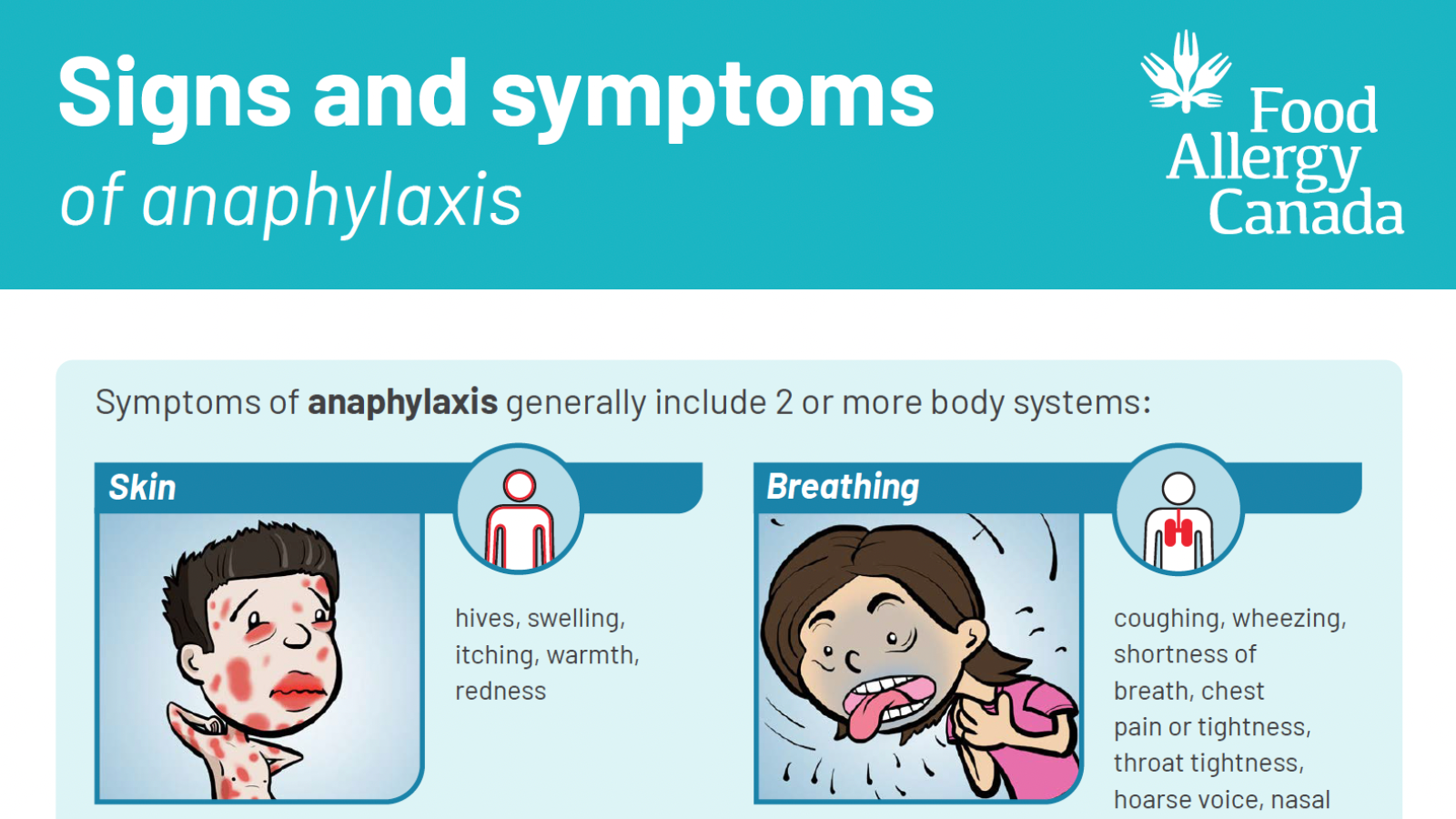
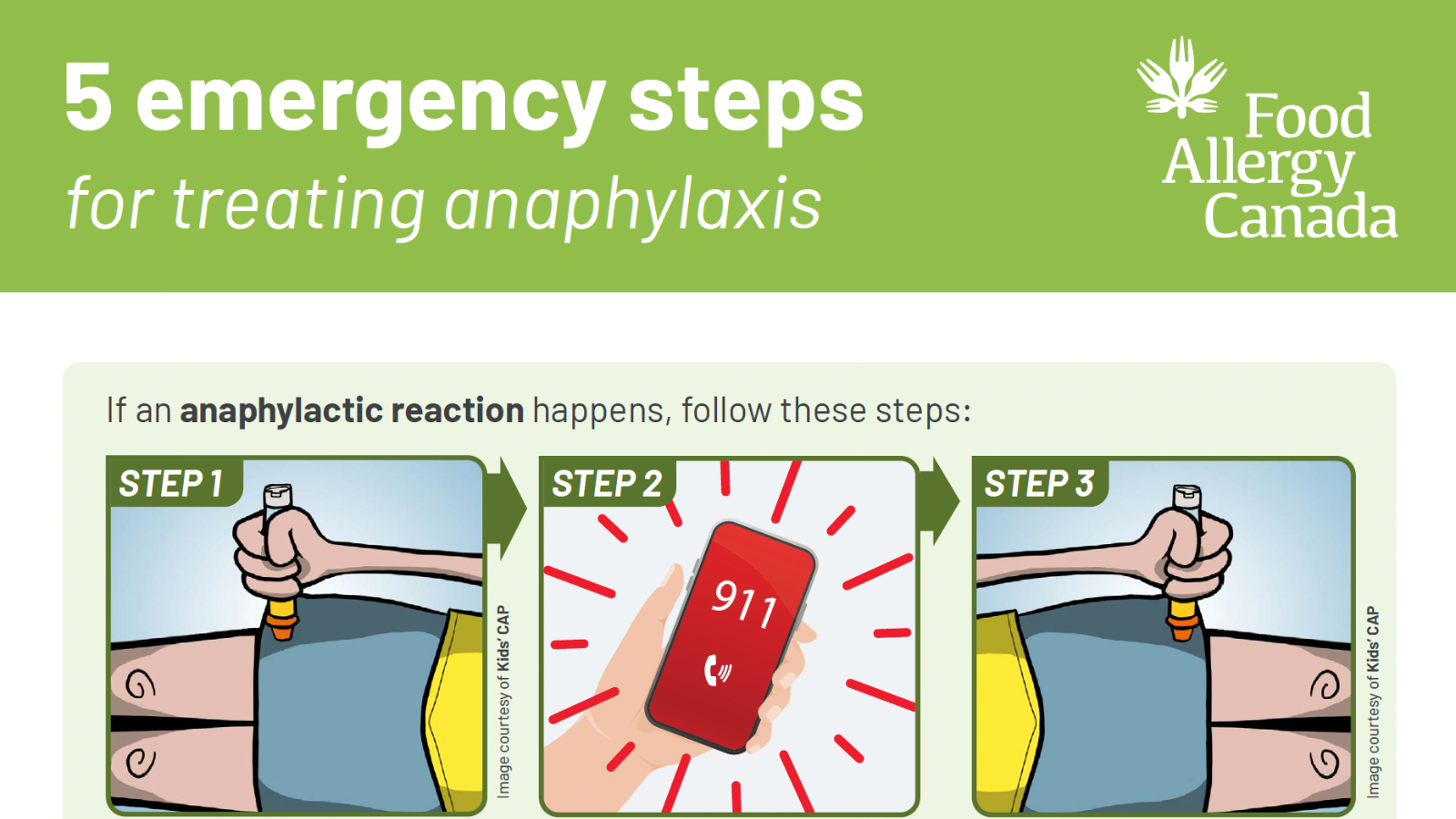
Resources to help you recognize and treat anaphylaxis



Research: FDA meeting is completed for under-the-tongue (sublingual) epinephrine
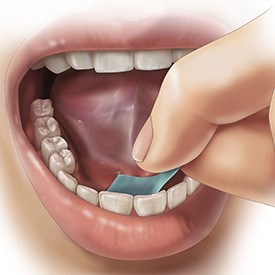
The U.S. Food and Drug Administration (FDA) had asked for more information before approving Anaphylm™, an under-the-tongue (sublingual) epinephrine film being developed to treat anaphylaxis.
Aquestive Therapeutics, the company developing Anaphylm, has announced the successful completion of their meeting with the FDA, and that they are working on studies in support of their planned resubmission to the FDA in the third quarter of this year. The company also continues to advance submissions for Anaphylm in Canada and Europe.
We will continue to share updates on the status of new treatment options for anaphylaxis internationally and on our advocacy efforts for access to epinephrine device options in Canada.
Research: Peanut tablet immunotherapy is well tolerated in kids and adults

A potential new treatment for peanut allergy is being studied in the form of a tablet that dissolves under the tongue. This approach is called sublingual immunotherapy (SLIT).
Early results from a clinical trial (Phase 1/2) found that the peanut SLIT tablet was well tolerated in children, teens, and adults with peanut allergy. The study looked at safety and how different doses were handled.
Researchers are continuing to study this therapy to better understand how well it works. The next phase of the trial is already underway at sites across the U.S. and Canada.
As new treatment options become available, our advocacy will focus on access to affordable treatments that can improve the safety and quality of life for Canadians of all ages — ensuring everyone has the choice and opportunity to access treatments that work for them.
Mythbuster: Is there an overlap between food allergy and pollen allergy?

FACT: Yes, they can. Pollen food allergy syndrome (PFAS), also known as oral allergy syndrome, is a type of food allergy.
With PFAS, the proteins in certain fresh fruits, vegetables, tree nuts, and spices are similar to those in pollens, and this “cross-reactivity” can cause allergic symptoms like an itchy mouth or throat.
Symptoms may be worse in the cross-reactive pollen season. For example, if someone is allergic to birch tree pollen and has symptoms in the springtime, they may also experience symptoms from eating fresh fruits like apples.
Learn more



Help us educate your communities and share this mythbuster with them! Find more mythbusters at foodallergycanada.ca/mythbusters.
Tags: advocacy, mythbuster, Research